
Training tool
Built trainingsprograms with SuperCoach Online/Rugby.
Continue reading
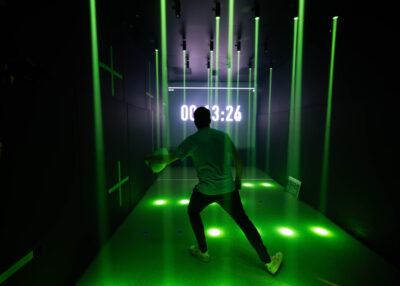
Rugby Experience in Limerick
Where I learned my future is in the Front Row…
Continue reading

Guest appearance Bruff
Working on Open Play with a Girls Under 12 team
Continue reading

C’est Fini! RWC 2023
It has finally ended, take-aways from the RWC
Continue reading

ChatGPT is our new rugbycoach
I asked ChatGPT to design a scrum training
Continue reading

Why do we win?
Is it: “Lucky, they made mistakes”?
Continue reading

Know the rules!
“Merci Beaucoup!”
Continue reading

Creativity, how to kill it?
Do we want thinking players?
Continue reading
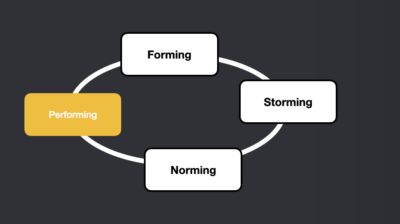
Performance of Team
How to maximise performance of your team?
Continue reading

Newsletter from the LearnerLab!
Ever had a “Hey, I did that too!” reaction when…
Continue reading
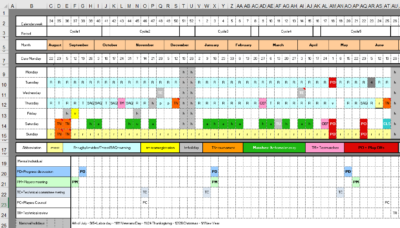
Year Planner Spreadsheet
You need to plan ahead
Continue reading

Run to the corner!
“You run away from your support”
Continue reading

Open the Door
How the Ball Carrier can create space and off-load or…
Continue reading
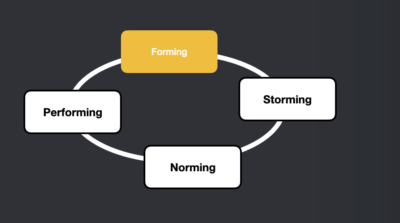
Forming in Team Dynamics
Forming a team is not only picking 15 players, it…
Continue reading

Tips to improve your sleep
Sleep is very important
Continue reading

Get “Rugby Ready”
Be responsible and help to make rugby an enjoyable experience…
Continue reading

The Second Row
Go in hard and do some damage
Continue reading
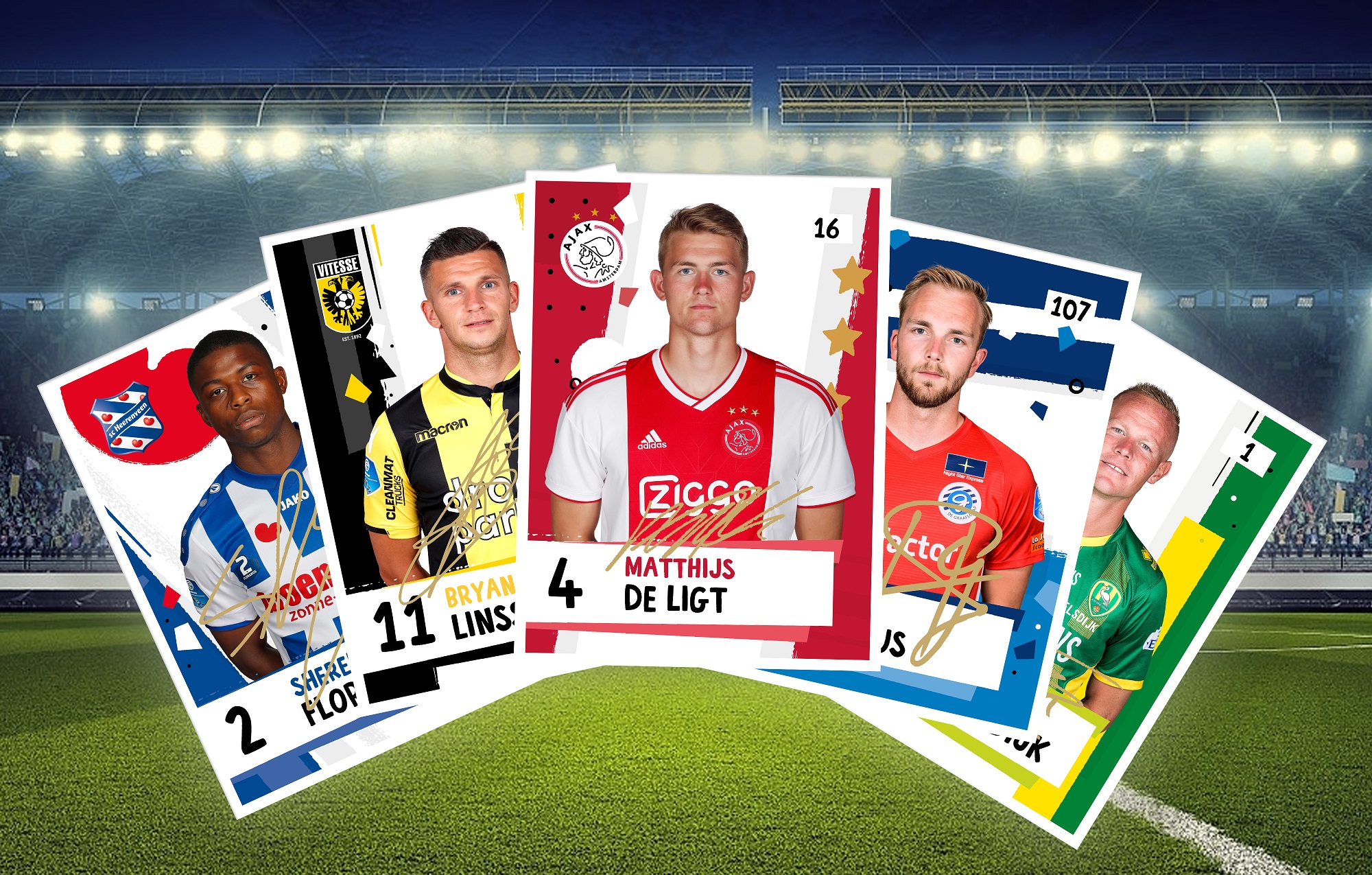
Soccer Cards?
Why I thought it was a good idea to make…
Continue reading

Anticipation in Rugby
Good rugby players are experts at predicting what happens next…
Continue reading

When to off-load
The intersubjective agreement…….
Continue reading
How do rugby coaching and project management mix?
What did I learn from doing both?
Continue reading